
Vinyl Flooring in Brea, CA

Vinyl flooring has become one of the most requested upgrades we install, and it’s not hard to see why. It handles daily wear better than most natural materials, costs less than hardwood or natural stone, and now comes in finishes convincing enough that most visitors can’t tell it apart from real wood or tile until they get close. The Max Construction Inc installs vinyl flooring throughout north Orange County, and we treat it with the same precision as a higher-end material, because a floor that’s rushed shows it within a year.
We’re a licensed general contractor based in Brea. Flooring is one of several trades we handle in-house, which matters more than it sounds like: a floor installed by the same crew that’s already handling your kitchen or bathroom finishes fits the room correctly the first time.
Why Homeowners Choose Vinyl Flooring
- Waterproof options. Luxury vinyl plank (LVP) and luxury vinyl tile (LVT) hold up in kitchens, bathrooms, and laundry rooms where hardwood and laminate can’t go.
- Durable under real life. Scratch and dent resistant enough for households with kids, pets, and daily foot traffic.
- Looks like wood or stone, costs less than either. Modern printing and texturing technology closes the visual gap significantly.
- Comfortable underfoot. Warmer and softer to stand on than tile or stone, without sacrificing durability.
- Lower maintenance. No refinishing, no sealing, easy to clean.
Vinyl Flooring Options We Install
Luxury Vinyl Plank (LVP)
Plank-format vinyl that mimics hardwood, available in a wide range of wood tones and grain textures. The most popular choice for living rooms, bedrooms, and open-concept spaces.
Luxury Vinyl Tile (LVT)
Tile-format vinyl that mimics natural stone or ceramic tile, ideal for bathrooms and entryways where you want the tile look without tile’s hard, cold surface. For a true tile installation instead, see our tile installation services.
Sheet Vinyl
A single continuous sheet, seamless and fully waterproof, a strong option for bathrooms and laundry rooms where minimizing seams matters most.
Our Vinyl Flooring Installation Process
Installing vinyl flooring right comes down to prep work most homeowners never see. We start with accurate measurements and a clean, level subfloor, since gaps or debris underneath show up as shifting, bubbling, or squeaks later. From there:
| Step | What Happens |
|---|---|
| 1. Consultation and measurement | We assess your existing subfloor, discuss material options, and give you a real quote. |
| 2. Subfloor prep | Cleaning, leveling, and repairing the subfloor so the new flooring sits flat and secure. |
| 3. Underlayment | Quality underlayment goes down first to prevent shifting and add sound dampening and comfort underfoot. |
| 4. Plank or tile installation | Precise alignment and edge finishing for a seamless, professional look. |
| 5. Final walkthrough | We check every seam and edge with you before we call the job done. |
Where Vinyl Flooring Works Best
Kitchens, bathrooms, laundry rooms, entryways, basements, and any room with regular moisture or heavy foot traffic are all strong candidates. It also works well as a whole-home flooring choice if you want visual consistency without the cost of hardwood throughout.
Vinyl Flooring vs. Other Flooring Types
Homeowners usually compare vinyl against three alternatives before deciding. Here’s the honest breakdown:
| Material | Water Resistance | Comfort Underfoot | Maintenance |
|---|---|---|---|
| Luxury vinyl | Fully waterproof | Warm, slightly cushioned | Low, no sealing or refinishing |
| Hardwood | Poor, warps with moisture | Warm | Periodic refinishing needed |
| Ceramic or porcelain tile | Waterproof | Hard and cold | Grout needs periodic sealing |
| Laminate | Poor to moderate | Firm | Low, but damage isn’t repairable |
Vinyl tends to win the comparison in rooms where moisture is a real concern, and it’s the material we recommend most often for kitchens and bathrooms specifically for that reason. Hardwood still has the edge for a formal living or dining room where moisture isn’t a factor and the resale appeal of real wood matters to you.
What Drives the Cost of a Vinyl Flooring Project
A few factors move the price more than homeowners usually expect:
- Subfloor condition. A subfloor that needs leveling, patching, or moisture remediation before installation adds labor before a single plank goes down.
- Material grade. Vinyl ranges widely in thickness, wear layer quality, and finish realism. Thicker wear layers cost more but last considerably longer under heavy traffic.
- Square footage and layout complexity. Simple rectangular rooms install faster than spaces with lots of cuts around cabinetry, closets, or transitions.
- Removal of existing flooring. Pulling out old tile or carpet adds a step, especially if there’s adhesive residue or damage underneath to address first.
We give you a real, itemized number after seeing the space in person, not a per-square-foot estimate that changes once we’re on site.
A Few Things to Check Before You Choose Vinyl
- Confirm the product’s wear layer thickness if the room gets heavy foot traffic, thicker generally means longer lasting.
- Ask whether the subfloor needs leveling before you lock in a budget, it’s the most common reason a quote changes after the walk-through.
- If you’re matching flooring across an open-concept space, order enough material from the same dye lot to avoid subtle color mismatches between boxes.
- Decide on plank direction before installation day. It affects how a room reads visually and is harder to change after the fact.
Vinyl Flooring Styles Homeowners Are Choosing Right Now

Wide-plank formats in warm oak and walnut tones remain the most requested look for living areas and bedrooms, largely because they read as real hardwood from a normal viewing distance while shrugging off the moisture and wear that would eventually damage the real thing. In bathrooms and kitchens, we’re seeing more homeowners choose stone-look LVT with a matte, low-sheen finish, it hides water spots and everyday dust better than a glossy finish does. Herringbone and chevron plank layouts have also picked up, especially in entryways, where the pattern adds visual interest to a smaller footprint without the cost of custom tile work.
None of these choices are purely cosmetic. Plank width, finish sheen, and layout pattern all affect how a room reads in size and light, which is part of what we walk through with you before ordering material, not after.
Serving Vinyl Flooring Installations Across North Orange County
We’re based in Brea and install vinyl flooring throughout the surrounding communities. Homeowners in Fullerton and La Habra regularly bring us flooring projects alongside kitchen and bathroom work, since we’re already on site.
Caring for Vinyl Flooring After Installation
Part of what makes vinyl worth the investment is how little upkeep it demands compared to hardwood or natural stone, but a few habits extend its life noticeably further:
- Use felt pads under furniture legs. Vinyl resists scratches well, but dragging heavy furniture across it repeatedly still wears the finish over time.
- Sweep or vacuum regularly rather than letting grit sit and grind into foot traffic paths, this is the single biggest factor in how long the surface finish stays looking new.
- Wipe up spills promptly even though the material is waterproof. Standing liquid left for days can still seep into seams over time.
- Avoid steam mops. The heat and moisture can compromise the adhesive and seams on some vinyl products, a damp mop with a neutral cleaner is the safer routine choice.
- Use furniture sliders, not drags, when rearranging a room, especially on plank products with a beveled edge.
Homeowners who follow this basic routine typically get well beyond a decade of wear out of a quality vinyl installation before it needs replacing.
Vinyl Flooring and Southern California Homes
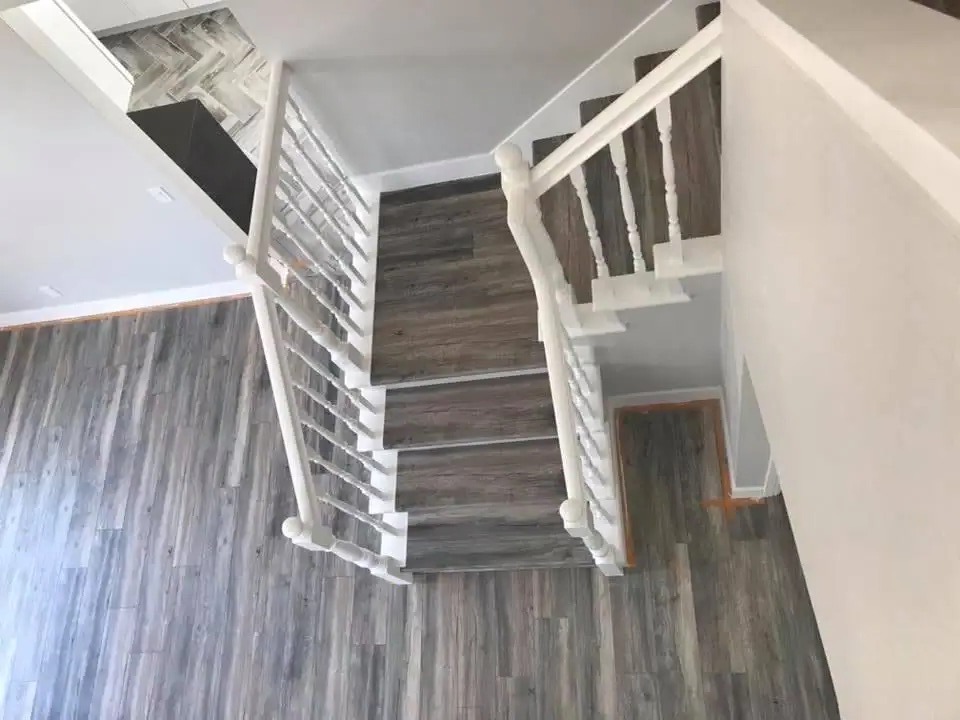
North Orange County’s dry, warm climate is actually kind to vinyl flooring, there’s little of the humidity swelling or seasonal moisture shift that can trouble wood flooring in more humid parts of the country. That said, the region’s hard water, common across the area, means bathroom and kitchen installations still benefit from vinyl’s water resistance, mineral spotting on grout is a headache tile owners deal with that vinyl largely avoids. Homes with tile-over-slab construction, common in this area, are also generally good candidates for vinyl, since a level concrete slab makes for a straightforward, stable subfloor.
Frequently Asked Questions
Is vinyl flooring actually waterproof?
Luxury vinyl plank and tile are fully waterproof, making them a strong choice for kitchens, bathrooms, and laundry rooms. Sheet vinyl is also waterproof and adds the benefit of minimal seams.
How does vinyl flooring compare to laminate?
Vinyl handles moisture far better than laminate, which can swell and warp if water gets underneath. Vinyl is also generally softer and warmer underfoot.
Can vinyl flooring go over my existing floor?
In many cases, yes, as long as the existing surface is flat, clean, and structurally sound. We assess your subfloor during the consultation and tell you honestly if removal is needed first.
How long does vinyl flooring installation take?
Most rooms are completed within a day or two, depending on square footage and subfloor prep needed. Whole-home installations take longer.
Does vinyl flooring scratch easily?
Quality luxury vinyl is scratch and dent resistant, built to hold up under kids, pets, and daily foot traffic far better than laminate or natural hardwood.
What’s the difference between LVP and LVT?
LVP comes in plank format and mimics hardwood. LVT comes in tile format and mimics stone or ceramic tile. Both are fully waterproof and installed similarly.
Do you handle removal of my old flooring?
Yes, we handle demo and disposal of existing flooring as part of the installation, so you’re not coordinating a separate crew.
Can I install vinyl flooring in every room of my house?
Yes, vinyl works in nearly any room, including basements and moisture-prone areas where hardwood isn’t an option.
We also serve these areas: Hacienda Heights, Yorba Linda, Placentia, Buena Park, Diamond Bar.
Get a Vinyl Flooring Quote
Whether you’re updating one room or the whole house, The Max Construction Inc installs vinyl flooring built to hold up under real daily use, not just look good on install day. Call (714) 200-8477 or reach out through our contact page for a free quote.